







Fill out the form with your details, and we will attend to your request as soon as possible.


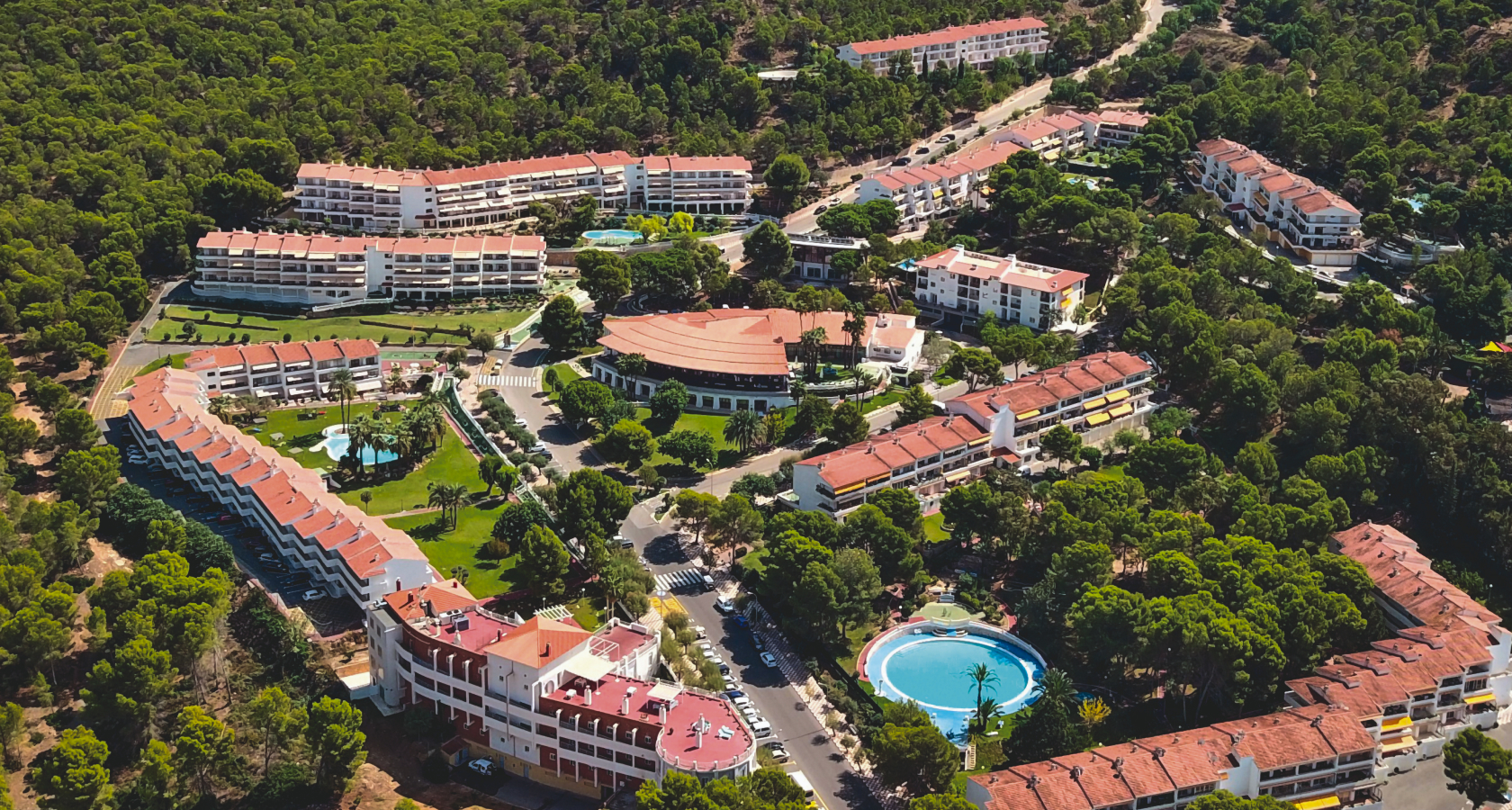


Central Building
Iris Building
Gardenia Building
Hortensia Building
Flora Building
Elisa Building
Heated Swimming Pool
Swimming pools
Swimming Pools
Restaurant
Indoor Pool
Reception

 Filters
Central Building
It is the core of community life at Ciudad Patricia. The reception area, restaurant, beauty centre, and some of our main services are located here.
Iris Building
Iris, completed in 2018, offers 15 apartments built to luxury quality standards. It is located just 50 metres from the Central Building.
Gardenia Building
Gardenia is located right across from the Central Building, allowing you to enjoy all the facilities that are just a stone’s throw away from your apartment.
Hortensia Building
At Hortensia, you can enjoy two worlds: the vibrant bustle of the city and the peaceful and relaxing atmosphere of the adjacent pine forest.
Flora Building
Flora, our tallest building, boasts stunning panoramic views of the valley, the mountains, and the resort.
Elisa Building
Elisa is located in a tranquil setting near the Central Building, indoor pool, fully equipped gym, and hobby room.
Heated Swimming Pool
We have an indoor swimming pool that you can enjoy all year round, whether you would like to exercise or have a moment of relaxation.
Swimming pools
We have several swimming pools at the resort where you can swim, cool off, or simply relax and enjoy the healthy climate of the Costa Blanca.
Swimming Pools
We have several swimming pools at the resort where you can swim, cool off, or simply relax and enjoy the healthy climate of the Costa Blanca.
Restaurant
Discover the delicious and healthy menu at the resort’s restaurant, and have an unforgettable time at its bar, in the dining area, or at its outdoor terrace.
Indoor Pool
We have several swimming pools in the complex, where you can swim, cool off, or simply relax and enjoy the healthy climate of the Costa Blanca.
Reception
In the Central Building, our staff are available to assist and help you with whatever you may need.
 Go back
What Your Children Really Worry About When You Live Abroad

Your children visit you in Spain.
The first few days are always the same. Sunshine, good food, maybe a walk through town or along the coast. They like the restaurants you’ve discovered. They enjoy the slower rhythm of life that makes the Costa Blanca so appealing to people from northern Europe.
And then, at some point during the visit, a small question appears.
It usually sounds harmless.
“Everything is easy here, right?”
Or sometimes:
“You’ve got people around you if you need them?”
The question is not criticism. It is rarely confrontational. Most of the time it comes casually, over coffee or while clearing plates after dinner.
But it reveals something.
Your children are not really worried about Spain.
They are worried about you.
Distance Changes How Families Think
When adult children live in another country, their imagination tends to fill in the gaps.
If you lived ten minutes away from them, they would see your daily life. They would know your neighbours. They would know which café you go to in the morning or which doctor you visit when needed.
Distance removes that visibility.
So they start building a picture from fragments. A phone call here. A short visit once or twice a year. A few photos sent on WhatsApp.
And naturally their minds begin asking questions.
- Who helps if something breaks in the apartment?
- What happens if you feel unwell late at night?
- Do you have people nearby?
- Is daily life simple or complicated?
Most parents never hear these concerns directly. Children rarely want to sound patronising. They know you have lived a full life, raised families, navigated careers and responsibilities.
Still, those questions exist quietly in the background.
Distance makes people protective.
The Things Children Often Think, But Don’t Always Say
When families talk about living abroad later in life, the concerns are usually practical.
Children tend to worry about things like:
- Health care access
- Safety and day to day security
- Loneliness or social isolation
- Mobility as the years pass
- Whether daily life might become complicated
Notice something interesting here.
None of these worries question your independence.
They question the environment around you.
That distinction matters more than many people realise.
Independence Isn’t the Same as Being Completely Alone
Many expats live independently on the Costa Blanca in villas or private apartments. The lifestyle can be wonderfully relaxed. Sunshine, outdoor cafés, good food, beautiful landscapes.
But from the perspective of someone living in another country, independence can sometimes look like isolation.
A detached house with beautiful views might feel perfect for the person living there.
From afar, though, children might imagine something else.
- Who lives nearby?
- What happens if something goes wrong?
- Is help available if needed?
That is why the environment around you becomes important.
Independence does not mean doing everything alone. It means living life on your own terms while knowing support exists if you ever need it.
What Actually Reassures Families
Interestingly, what reassures children is often very simple.
When they visit, they relax quickly if they see a few key things.
People around. Not crowds, just life.
Neighbours who recognise you.
Shared spaces where neighbours and other people naturally cross paths.
Practical things that are easy to manage.
Once those things become visible, the conversation shifts.
Instead of cautious questions, children start saying things like:
“This seems like a really nice community.”
Or:
“You’ve got everything here.”
That shift matters.
Why Communities Like Ciudad Patricia Feel Different
This is where places like Ciudad Patricia tend to feel different from traditional expat living arrangements.
Residents still live independently in their own homes. Life remains private. Your daily rhythm stays your own.
But the environment around you includes something else.
Community.
At Ciudad Patricia’s international community residents come from across Europe. People from the Netherlands, Britain, Germany and France live side by side, often sharing similar experiences of relocating later in life.
There are shared gardens and spaces where neighbours naturally meet. A relaxed atmosphere where conversation happens easily but never feels forced.
You can spend the morning quietly on your terrace if you prefer. Or wander down for coffee and end up chatting with someone you recognise.
It is social when you want it.
Quiet when you do not.
That balance turns out to be surprisingly valuable.
When Practical Things Are Taken Care Of
Another thing children notice quickly is when everyday practicalities are easy.
Maintenance issues. Deliveries. Day to day logistics.
With Ciudad Patricia’s services many of these practical aspects are simply part of the environment. Residents can enjoy independent living while knowing that support and infrastructure exist if needed.
For families visiting from abroad, that visibility matters enormously.
It tells them something important.
Life here works.
Seeing the Apartments Helps Too
Children often worry about how manageable a home will be over time.
When they visit the apartments at Ciudad Patricia, the reaction is often immediate.
The spaces are designed for comfortable independent living.
Everything is close.
Gardens, community areas, neighbours, and daily services are within easy reach.
Instead of imagining problems, children see a place that simply makes daily life easier.
And that changes the tone of the conversation.
Visits Often Change the Family Conversation
Many residents notice something interesting when their children visit for the first time.
The visit begins with observation.
Children walk through the gardens. They see residents chatting outside. They notice people coming and going naturally. They experience the atmosphere.
Very often the cautious questions disappear.
Instead of worrying about distance, they begin saying something else entirely.
“This feels like a really good place to live.”
Peace of Mind Works Both Ways
Living abroad later in life often involves a quiet emotional balance. Parents value independence and children value reassurance.
The right environment quietly provides both.
You continue living life as you always have. Your routines remain your own. Your independence stays intact.
At the same time, your family knows that your daily life includes neighbours, shared spaces, and a supportive community.
That combination removes a layer of anxiety many families do not even realise they carry.
Sometimes the greatest benefit of the right environment is quite simple.
Everyone sleeps a little better.
Life on the Costa Blanca Still Feels Like an Adventure
None of this changes the reason people move to Spain in the first place. The sunshine, the outdoor lifestyle. The slower rhythm of life.
Living somewhere like the Costa Blanca still feels like a small adventure, even years after arriving.
The difference is that in the right setting, that adventure becomes sustainable.
For you.
And reassuring for the people who care about you most.
Curious how daily life really feels at Ciudad Patricia?
The easiest way to understand it is simply to visit. Walk through the gardens, talk to residents, and experience the atmosphere yourself.
Sometimes seeing it in person answers questions that words never quite can.
Explore more about life at Ciudad Patricia or browse the Ciudad Patricia blog for stories about daily life in the community.
FAQs
Do adult children worry when their parents live abroad?
Often they do, even if they do not say it directly. The concerns usually focus on practical things such as health care access, safety and whether daily life is easy to manage. When families see a supportive environment with neighbours and services nearby, those worries usually ease.
Why do families feel more reassured when parents live in a community like Ciudad Patricia?
Because they can see how daily life works. Shared spaces, familiar neighbours, and practical services create a visible sense of structure. For adult children living abroad, that often matters as much as the apartment itself.
Can you live independently in a retirement community?
Yes. Communities like Ciudad Patricia are designed for independent living. Residents have their own apartments and routines while also benefiting from shared spaces, nearby neighbours and optional services that make daily life simpler if support is needed.
Why do retirement communities reassure families?
Because they create visible structure. When children visit and see an active community, shared gardens and everyday social life, they understand that their parents are not isolated. Independence remains intact, but there is also a supportive environment around them.
