







Fill out the form with your details, and we will attend to your request as soon as possible.


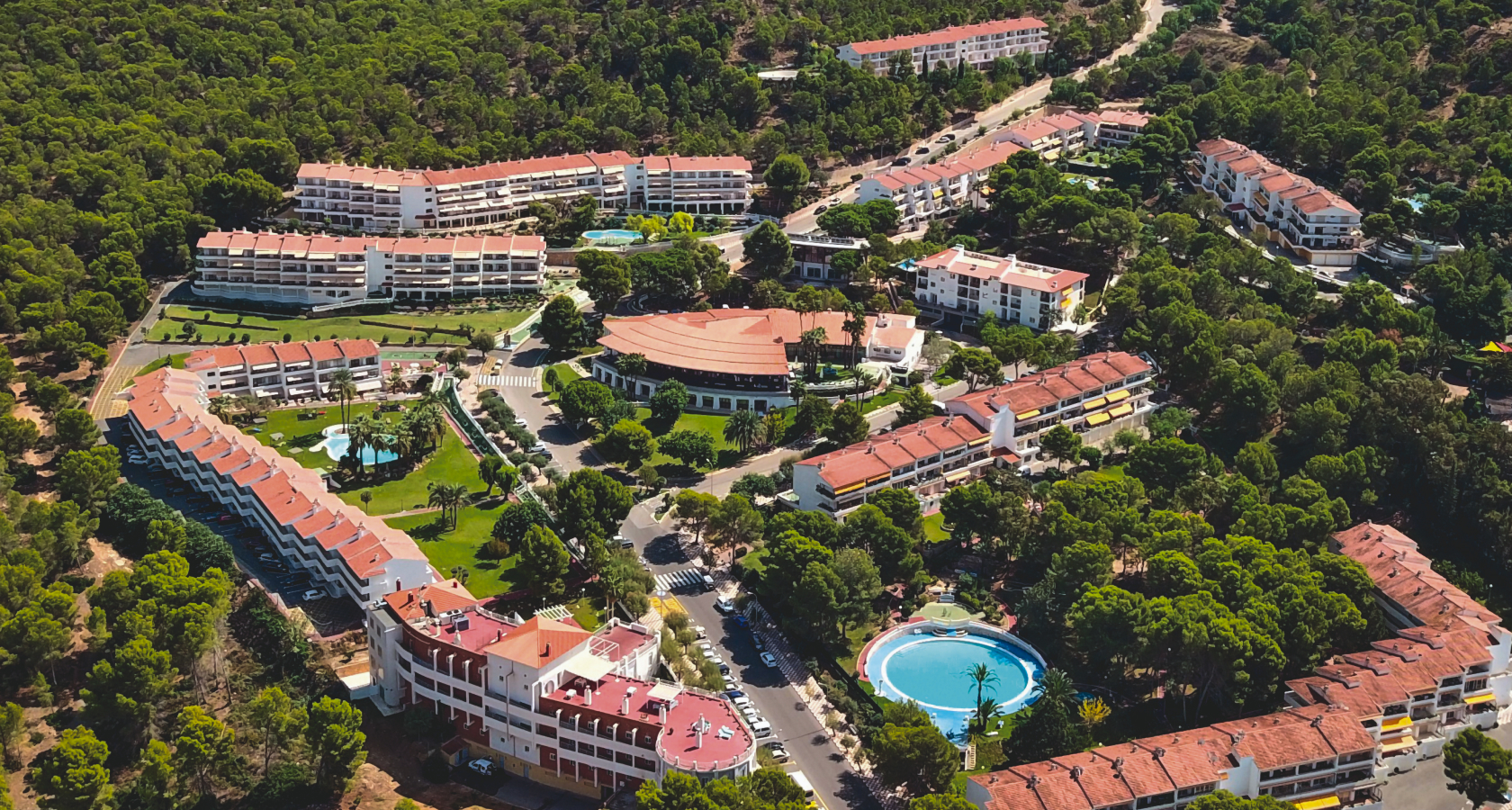


Central Building
Iris Building
Gardenia Building
Hortensia Building
Flora Building
Elisa Building
Heated Swimming Pool
Swimming pools
Swimming Pools
Restaurant
Indoor Pool
Reception

 Filters
Central Building
It is the core of community life at Ciudad Patricia. The reception area, restaurant, beauty centre, and some of our main services are located here.
Iris Building
Iris, completed in 2018, offers 15 apartments built to luxury quality standards. It is located just 50 metres from the Central Building.
Gardenia Building
Gardenia is located right across from the Central Building, allowing you to enjoy all the facilities that are just a stone’s throw away from your apartment.
Hortensia Building
At Hortensia, you can enjoy two worlds: the vibrant bustle of the city and the peaceful and relaxing atmosphere of the adjacent pine forest.
Flora Building
Flora, our tallest building, boasts stunning panoramic views of the valley, the mountains, and the resort.
Elisa Building
Elisa is located in a tranquil setting near the Central Building, indoor pool, fully equipped gym, and hobby room.
Heated Swimming Pool
We have an indoor swimming pool that you can enjoy all year round, whether you would like to exercise or have a moment of relaxation.
Swimming pools
We have several swimming pools at the resort where you can swim, cool off, or simply relax and enjoy the healthy climate of the Costa Blanca.
Swimming Pools
We have several swimming pools at the resort where you can swim, cool off, or simply relax and enjoy the healthy climate of the Costa Blanca.
Restaurant
Discover the delicious and healthy menu at the resort’s restaurant, and have an unforgettable time at its bar, in the dining area, or at its outdoor terrace.
Indoor Pool
We have several swimming pools in the complex, where you can swim, cool off, or simply relax and enjoy the healthy climate of the Costa Blanca.
Reception
In the Central Building, our staff are available to assist and help you with whatever you may need.
 Go back
After Loss, Finding Your Rhythm Again in Spain

The house feels different.
The light is the same. The terrace still catches the afternoon sun. The neighbours wave as they always have. Nothing dramatic has happened to the building itself. And yet the atmosphere has shifted.
Meals are quieter. Evenings stretch a little longer. Small decisions that used to be shared now sit solely with you.
If you have lost a partner while living in Spain, you will recognise this feeling. Life has not fallen apart. You are still capable. You are still independent. But the rhythm has changed.
And what most people want at that point is not reinvention. It is steadiness.
When Routine Loses Its Anchor
Grief is personal. It does not look the same for everyone. Some people talk openly. Others prefer silence. Many continue with daily life outwardly unchanged.
But underneath, routine often feels slightly unanchored.
You may find yourself hesitating before going out in the evening. Not because you cannot drive, but because returning to an empty home feels heavier than it used to. You might cook less. Or cook the same meals, but feel the absence at the table.
These are small shifts. Yet over time, they accumulate.
Living alone in a villa or apartment that once held two lives can subtly increase the sense of distance. Tasks that were once shared now require more mental energy. Appointments need organising. Maintenance needs attention. Even simple decisions, what to eat, where to go, when to travel, carry a different weight.
You may not want sympathy. You may not want to “move on.” You may simply want daily life to feel stable again.
That distinction matters.
The Quiet Layer No One Discusses
Here is something people rarely say out loud.
After losing a partner, confidence can dip in unexpected ways. Not because you are incapable, but because the shared structure of life has gone. The casual check-in. The second opinion. The simple comfort of someone else being there.
Many widows and widowers in Spain continue to manage perfectly well on their own. But they quietly admit that evenings can feel long. That long drives feel less appealing. That planning social life requires more effort than before.
You do not need a dramatic solution. You need gentle reinforcement.
Somewhere that supports you without hovering. Somewhere that reduces friction without reducing dignity.
Why Environment Becomes More Important
Where you live shapes how you feel more than we often admit.
If your home is isolated, even slightly, hesitation grows. If you must drive everywhere to see anyone, you may go out less often. If the nearest friendly face is several streets away, spontaneous contact becomes rare.
Research across Europe has consistently shown that proximity and familiar daily encounters improve wellbeing in later life. Not grand social events. Not forced activity. Just repeated, low-pressure contact.
Seeing the same people in shared spaces builds trust. Brief conversations create continuity. Familiar faces reduce uncertainty.
Environment does not remove grief. But it can soften its edges.
Stability Without Pressure
At Ciudad Patricia, daily life is structured around this idea of quiet proximity.
Residents live in independent apartments. Your front door closes. Your space is yours. There is no obligation to participate in anything.
But step outside, and there are natural meeting points. The gardens. The walking paths. The café. Shared lounges. Not busy, not overwhelming, simply present.
If you would like to see how the setting itself works, you can explore the community spaces at Ciudad Patricia in more detail on the Community section of the website.
What makes the difference is the absence of pressure.
You can have coffee in the café and speak to someone for five minutes. Or for an hour. Or not at all. You can attend a film evening one week and skip the next. The rhythm is yours.
This is not about becoming more social. It is about not becoming isolated.
Safety That Feels Reassuring, Not Restrictive
Another change after loss is subtle awareness of vulnerability.
You might notice yourself thinking about practicalities more often. What if I feel unwell in the evening? What if something goes wrong at home? What if I need help carrying something heavy?
These are normal thoughts.
At Ciudad Patricia, support services exist quietly in the background. They are not intrusive. They are not defining. They are simply available.
You remain independent. You manage your own life. But you are not alone in the wider sense.
That balance is often what widows and widowers describe as most comforting.
Not Starting Over, Just Rebalancing
There is sometimes an unspoken pressure placed on people after loss to “start again.” To travel more. To join more groups. To reinvent themselves.
Many people do not want that.
They want continuity. They want dignity. They want a steady rhythm.
Living in a community where others have also experienced life transitions can remove the need to explain yourself. You are not the only one who has adjusted to change. You are not the only one navigating a different chapter.
Familiarity builds gradually. Conversations deepen slowly. Friendships flourish. Belonging happens without announcement.
That is often enough.
For Those Already Living on the Costa Blanca
If you already live here, you may wonder whether a change of environment is necessary at all.
It may not be.
But consider how often you see the same people during the week. How easy it is to arrange a casual coffee. Whether social life depends entirely on driving across town.
If your world has narrowed slightly, and you would prefer it not to narrow further, proximity matters.
Being able to walk to a café. To pass neighbours in the garden. To join a small activity without travelling far. These details shape daily confidence more than we expect.
You can learn more about the wider Costa Blanca setting and how Ciudad Patricia sits within it by reading the Costa Blanca overview on the website.
For Those Considering Spain After Loss
If you are still in the UK, the Netherlands, Germany, France, Norway or Sweden and thinking about relocating after losing a partner, social structure should be part of your decision.
Climate and tax planning are important. Healthcare access matters. But so does the question of daily contact.
When the novelty of relocation fades, who will you see regularly? Who will recognise you by name? Where will casual conversation happen?
Communities designed around independent living with shared spaces offer a middle ground. You keep your autonomy. You gain proximity.
That combination is often underestimated.
Visiting Without Commitment
You do not need to decide anything to explore.
Many people visit Ciudad Patricia simply to observe. To walk the gardens. To sit in the café. To watch how residents interact. You can arrange a visit through the Contact page and take your time.
No pressure. No obligation.
Sometimes seeing how daily life feels is more informative than reading about it.
A Steadier Rhythm
After loss, life does not need to become louder. It does not need dramatic change. It often needs steadiness.
A place where privacy is respected. Where community is available but not imposed. Where safety is present but not restrictive. Where familiar faces soften the edges of the day.
You remain yourself. You remain independent. You simply live in an environment that supports your new rhythm.
And sometimes, that is the quiet strength needed to move forward.
FAQs
1. Is Ciudad Patricia suitable for someone who has recently lost a partner?
Yes. Ciudad Patricia is designed for independent living, but within a supportive and socially connected environment. Many residents have experienced significant life changes and value proximity, familiarity, and quiet reassurance. You live privately in your own apartment while shared spaces allow natural, low-pressure social contact.
2. Will I be expected to join activities or social events?
No. Participation is always optional. Some residents enjoy regular activities, others prefer occasional interaction, and many simply value the presence of community around them. The environment is designed to make contact easy, not compulsory.
3. What makes Ciudad Patricia different from living alone in a villa or apartment?
The main difference is proximity. At Ciudad Patricia, gardens, café, communal areas, and neighbours are within walking distance. This reduces isolation and logistical effort while maintaining full independence. You have your own home, but you are not socially or practically alone.
