







Fill out the form with your details, and we will attend to your request as soon as possible.




Central Building
Iris Building
Gardenia Building
Hortensia Building
Flora Building
Elisa Building
Heated Swimming Pool
Swimming pools
Swimming Pools
Restaurant
Indoor Pool
Reception

 Filters
Central Building
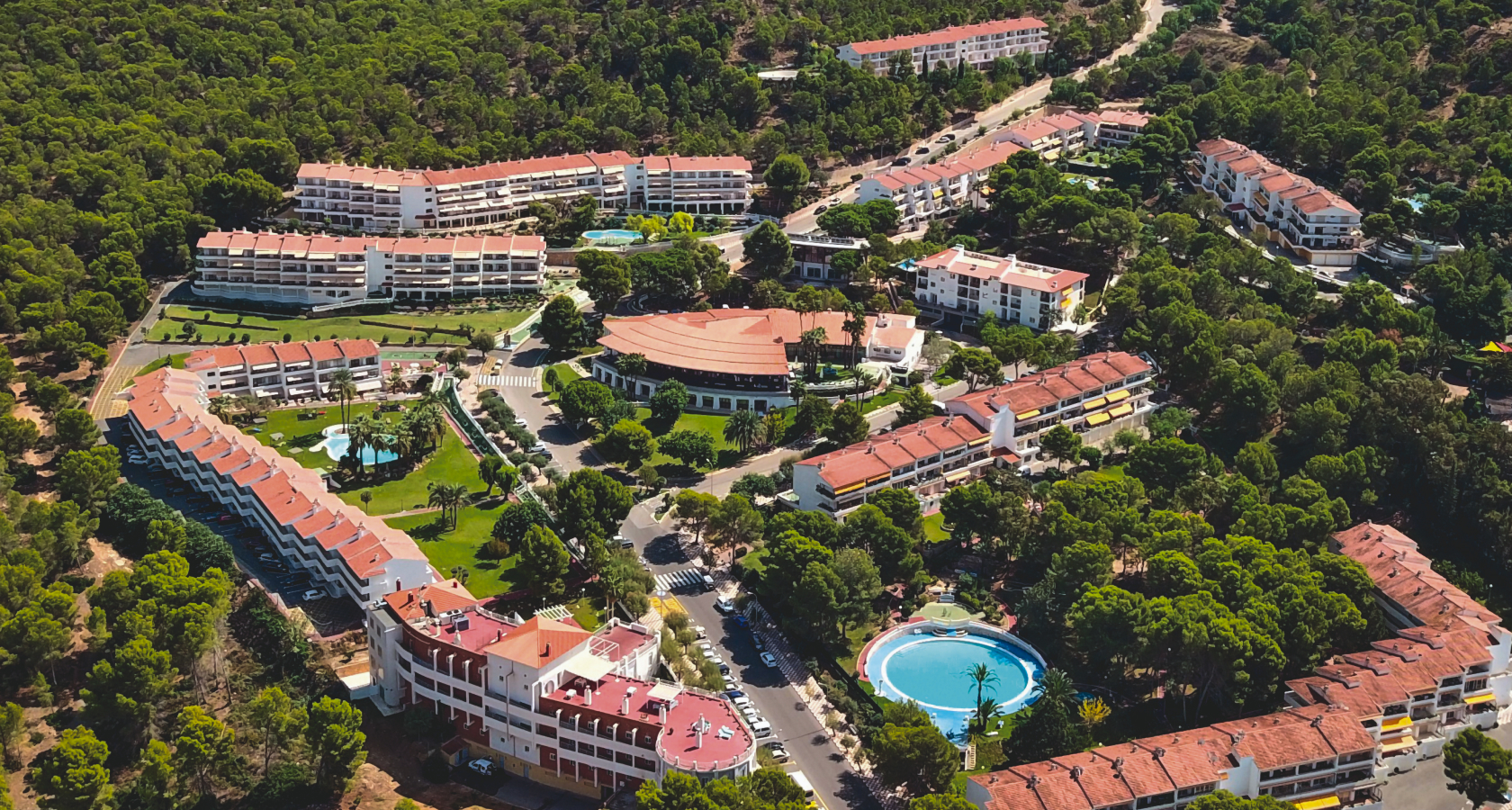
It is the core of community life at Ciudad Patricia. The reception area, restaurant, beauty centre, and some of our main services are located here.
Iris Building
Iris, completed in 2018, offers 15 apartments built to luxury quality standards. It is located just 50 metres from the Central Building.
Gardenia Building
Gardenia is located right across from the Central Building, allowing you to enjoy all the facilities that are just a stone’s throw away from your apartment.
Hortensia Building
At Hortensia, you can enjoy two worlds: the vibrant bustle of the city and the peaceful and relaxing atmosphere of the adjacent pine forest.
Flora Building
Flora, our tallest building, boasts stunning panoramic views of the valley, the mountains, and the resort.
Elisa Building
Elisa is located in a tranquil setting near the Central Building, indoor pool, fully equipped gym, and hobby room.
Heated Swimming Pool
We have an indoor swimming pool that you can enjoy all year round, whether you would like to exercise or have a moment of relaxation.
Swimming pools
We have several swimming pools at the resort where you can swim, cool off, or simply relax and enjoy the healthy climate of the Costa Blanca.
Swimming Pools
We have several swimming pools at the resort where you can swim, cool off, or simply relax and enjoy the healthy climate of the Costa Blanca.
Restaurant
Discover the delicious and healthy menu at the resort’s restaurant, and have an unforgettable time at its bar, in the dining area, or at its outdoor terrace.
Indoor Pool
We have several swimming pools in the complex, where you can swim, cool off, or simply relax and enjoy the healthy climate of the Costa Blanca.
Reception
In the Central Building, our staff are available to assist and help you with whatever you may need.
 Go back
The Hidden Stress of Staying in a Large Home: What Many Expats Only Realise After Years in Spain

A home that once felt effortless
It often starts quietly. A job you used to do without thinking now takes a bit more planning. Sweeping the terrace becomes an activity you schedule rather than something you do with a cup of coffee in hand. You catch yourself looking at the garden and thinking about the watering, the trimming, the tasks that keep it looking the way it did years ago.
None of this means the home has lost its charm. It simply means life has changed. For many expats from the UK, the Netherlands, Germany, France, Norway, or Sweden, the villa is tied to the excitement of the early years in Spain. It represented space, privacy, sunshine, achievement. Yet over time the relationship with the home shifts. What was once full of energy becomes something you navigate around.
People rarely notice when this shift begins. It happens in small moments. A quiet reluctance to host visitors because preparation takes longer. A sense that you would prefer a simple evening rather than managing the house before and after. These are not signs of decline. They are signs of a lifestyle adjusting to match who you are now.
The slow buildup of hidden stress
Hidden stress is seldom loud. It builds slowly over years in ways that are surprisingly easy to ignore. The weekly errands that once felt like part of the Spanish experience now feel heavier. You find yourself organising days around avoidable tasks, or delaying certain repairs because the logistics feel like effort.
The home does not suddenly become difficult. It becomes slightly less convenient, then slightly less again, until you realise how much your routine revolves around maintaining your property rather than enjoying the life you moved here for.
The mental load increases too.
Calling the plumber. Finding a gardener after the last one moved away. Rearranging furniture to keep certain rooms tidy. Coordinating deliveries - trying to find out where Amazon delivered your parcel. Deciding what to do with areas you no longer use - the kids won’t be coming for Christmas this year, they will be at their partner’s family. This kind of stress is not dramatic, but it accumulates. You feel it in your mind long before you speak it out loud.
Many expats describe the same experience. Years pass, and what once felt like effortless Mediterranean living begins to feel like a checklist.
The emotional weight of a home too large for your life today
There is a quiet emotional cost to keeping more space than you need. Rooms sit unused. Terraces that once hosted dinner parties remain empty - just a place where the bougainvillea leaves gather. Spaces that once symbolised possibility now represent responsibility.
This shift can stir unexpected feelings. Not sadness exactly but more a sense of disconnect between the home you originally imagined and the home you actually use. The villa still looks beautiful, but you spend less time enjoying it and more time thinking about keeping it running.
Identity also plays a role. The villa once symbolised freedom. Letting go or rethinking that symbol can feel complicated, even if you know deep down that your lifestyle no longer matches its size. The emotional weight is not dramatic, but it is real.
Signs many expats recognise only after years in Spain
Some expats reach a point where they begin to ask themselves new questions. You may recognise a few of these.
- Do you hesitate before inviting visitors because preparing the house feels tiring?
- Have you stopped using some rooms entirely or worse are they just filling up with junk?
- Do simple tasks take more thought or organisation than before?
- Do you find yourself choosing quieter routines because the house demands your time?
- Do you feel more attached to the idea of the home than to the daily reality of living in it?
These questions are not meant to diagnose anything. They help you listen to yourself. They help you understand whether your home still supports your wellbeing or whether it quietly competes with it.
How changing social circles intensify the pressure
Expat life evolves whether we want it to or not. People come and go. Neighbours move back to their home countries. Friends settle in other towns or slow down socially. You might find your world becoming smaller without doing anything to cause it.
A large home can magnify this feeling. Houses built for gatherings can feel empty when the gatherings are less frequent. Villas designed for constant movement can feel still when routines shift. Even people who enjoy solitude sometimes notice that they spend more time managing their home than connecting with others.
It is not the villa that changed. It is life.
When practical challenges start limiting independence
This is where honesty, gently expressed, matters. As routines shift, some practical aspects of the home simply no longer fit as well as they once did. You may prefer shorter drives. You may prefer living on one level rather than managing several floors. You may find it easier not to coordinate multiple tradespeople or recurring maintenance.
These small preferences add up. They reduce friction, protect your energy, and support your independence in ways people often overlook.
The goal is not to give anything up. The goal is to shape a life that fits who you are now.
Imagining an easier version of Spain
This is the part most people overlook. You do not have to choose between independence and ease. You don’t have to even think about moving back “home” where you might not have lived for the last 20 years. Spain can still feel spacious, warm, and full of possibility even if your home becomes smaller and simpler.
An easier version of Spain might look like this. A home that feels manageable. Gardens you walk through rather than maintain. A community nearby when you want conversation, and privacy when you prefer quiet. Activities you can join without organising them. Days shaped by choice rather than obligation.
This is where places like Ciudad Patricia begin to make sense. Not as a replacement for the villa years, but as a natural continuation of them.
What people often discover when they visit Ciudad Patricia
Visitors often describe the first impression in similar ways. Peaceful. Manageable. Social but not crowded. Independent but not isolated.
They walk through the gardens and notice how comfortable it feels to simply be there. They visit the apartments and see spaces sized for their life today, not their life decades ago. If you want to explore that side, you can look at the apartments here: https://www.ciudadpatricia.com/en/apartments/
The café and restaurant add everyday warmth. People greet one another casually. Some sit alone with a book. Others meet for coffee. The atmosphere is open without being overwhelming. More on that side of life here: https://www.ciudadpatricia.com/en/gastronomy/
Shared spaces invite participation without pressure. Activities, paths, viewpoints, rooms designed for informal connection. You can explore the wider sense of community here: https://www.ciudadpatricia.com/en/community/
And for those who wonder about practical reassurance, the services overview offers clarity without suggesting dependence: https://www.ciudadpatricia.com/en/services/
Everything is structured to support independence, not replace it. The difference is subtle but significant.
Releasing the pressure, not the independence
When people do make a change, they often describe the same feeling. Relief. Not because the villa was a burden, but because life feels lighter when it matches your current rhythm.
Letting go of excess space can feel like gaining freedom rather than losing it. People rediscover energy for hobbies, friendships, movement, and rest. They spend more time enjoying Spain and less time organising it. Independence grows when responsibility shrinks.
The shift is not about downsizing. It is about right sizing.
A simple conversation can start the process
If you are curious about how life could feel in a different setting, it might help to walk through the gardens yourself or join a short visit. You can arrange it easily here: https://www.ciudadpatricia.com/en/contact/
There is no pressure. Sometimes simply seeing an easier version of daily life is enough to make the next chapter clearer.
FAQs
How do I know when my home has become too large for my lifestyle?
It often becomes clear when you use only part of your home or spend more energy maintaining it than enjoying it.
What makes a community setting feel easier than a villa?
Smaller responsibilities, shared surroundings, and the comfort of having people nearby without losing privacy.
Can I stay fully independent in a place like Ciudad Patricia?
Yes. Independence is central. You create your own routines and social life at your own pace.
How do expats reduce isolation without giving up privacy?
Through gentle, natural contact. Seeing familiar faces in shared spaces or joining an activity only when it suits you.
Can I arrange a visit if I live outside Spain?
Yes. Virtual and in person visits are available, and many expats living further away start with an online meeting to get a feel for the community.
