







Fill out the form with your details, and we will attend to your request as soon as possible.


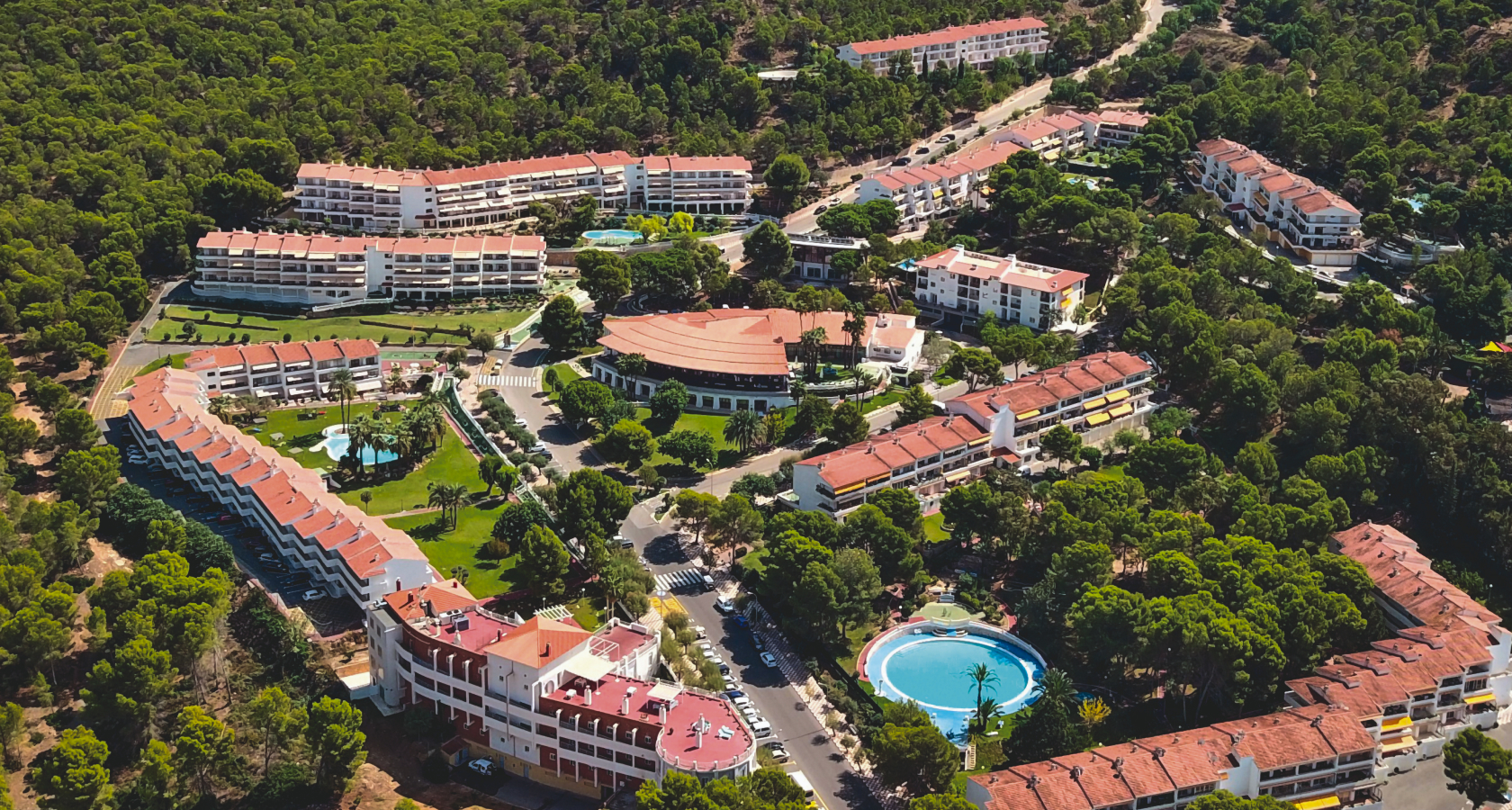


Central Building
Iris Building
Gardenia Building
Hortensia Building
Flora Building
Elisa Building
Heated Swimming Pool
Swimming pools
Swimming Pools
Restaurant
Indoor Pool
Reception

 Filters
Central Building
It is the core of community life at Ciudad Patricia. The reception area, restaurant, beauty centre, and some of our main services are located here.
Iris Building
Iris, completed in 2018, offers 15 apartments built to luxury quality standards. It is located just 50 metres from the Central Building.
Gardenia Building
Gardenia is located right across from the Central Building, allowing you to enjoy all the facilities that are just a stone’s throw away from your apartment.
Hortensia Building
At Hortensia, you can enjoy two worlds: the vibrant bustle of the city and the peaceful and relaxing atmosphere of the adjacent pine forest.
Flora Building
Flora, our tallest building, boasts stunning panoramic views of the valley, the mountains, and the resort.
Elisa Building
Elisa is located in a tranquil setting near the Central Building, indoor pool, fully equipped gym, and hobby room.
Heated Swimming Pool
We have an indoor swimming pool that you can enjoy all year round, whether you would like to exercise or have a moment of relaxation.
Swimming pools
We have several swimming pools at the resort where you can swim, cool off, or simply relax and enjoy the healthy climate of the Costa Blanca.
Swimming Pools
We have several swimming pools at the resort where you can swim, cool off, or simply relax and enjoy the healthy climate of the Costa Blanca.
Restaurant
Discover the delicious and healthy menu at the resort’s restaurant, and have an unforgettable time at its bar, in the dining area, or at its outdoor terrace.
Indoor Pool
We have several swimming pools in the complex, where you can swim, cool off, or simply relax and enjoy the healthy climate of the Costa Blanca.
Reception
In the Central Building, our staff are available to assist and help you with whatever you may need.
 Go back
Retirement Apartments in Spain: What Makes One Work in Real Life?

A retirement apartment can look perfect in a photograph and still feel wrong after three months of living in it. That is the part people often discover too late. The real test is not whether the apartment has a nice sofa, a pleasant view or enough space for guests who may only visit twice a year. The real test is simpler, and more personal. Can you live well in it every day?
For many people thinking about later life in Spain, the move from a large house to a smaller apartment brings mixed feelings. There may be relief, especially if the old home has become too much to manage. There may also be hesitation. A smaller home can sound like a compromise, particularly if you have spent decades building a life around a garden, spare rooms, bookshelves, tools, family furniture and familiar corners.
But smaller is not automatically lesser. Sometimes it is better designed for the life you actually want now.
At Ciudad Patricia, the idea of a retirement apartment is not simply about reducing square metres. It is about creating a home that remains private, practical and easy to enjoy, while placing services, outdoor space and a wider community close by.
Layout matters more than size
When people compare apartments, they often begin with the number of bedrooms or the total floor area. That is understandable, but it does not tell the whole story.
A well-planned apartment can feel calmer and more generous than a larger property with awkward corridors, dark corners or rooms that are rarely used. In later life, layout starts to matter in very ordinary ways. Is the bedroom easy to reach at night? Can you move comfortably between the kitchen, sitting area and terrace? Is there space to sit quietly without feeling that every activity happens in one room?
So, the best retirement apartments in Spain are not necessarily the biggest. They are the ones that make daily life feel natural. You should be able to make coffee, read, receive a visitor, prepare a meal, open the doors to fresh air and move through the apartment without bumping into furniture or feeling boxed in.
That sounds basic. It is not. It is the difference between a place that looks acceptable and a place that supports you without demanding too much effort.
Privacy still matters
A retirement community should never feel as if you have given up your private life. Good community living depends on choice. You join in when you want to. You close the door when you do not.
This is why the apartment itself matters so much. Your home should feel like your own space, not a room attached to a programme of activities. You may want to meet neighbours for coffee in the morning, then spend the afternoon reading alone. You may enjoy having people nearby, but still prefer quiet evenings. Many people do.
A good apartment allows that balance. It gives you independence without isolation and company without intrusion. For many expats, especially those who have lived independently in Spain for years, this is crucial. They are not looking to be managed at all. They are simply looking for a home that makes independence easier.
Outdoor access changes daily life
In Spain, the line between indoors and outdoors is important. A terrace is not just an extra feature. It can become the place where you have breakfast, phone family, water plants, read the paper or sit quietly at the end of the day.
For retirees moving from northern Europe, this can be one of the great pleasures of living on the Costa Blanca. You are not dependent on a rare sunny weekend to enjoy outdoor time. Even a modest terrace can change the rhythm of the day.
It also gives breathing space. That matters when moving from a larger house. If an apartment has good outdoor access, it does not feel like a retreat from life. It feels like a more manageable version of it.
The point is not to recreate a villa garden on a smaller scale. It is to have enough private outdoor space to feel connected to the weather, the light and the landscape without taking on the maintenance that often comes with a larger property.
Storage is not glamorous, but it is essential
Nobody falls in love with an apartment because of its storage. Then they move in and realise how much it matters.
Downsizing does not mean arriving with two suitcases and a cheerful attitude. Real people have winter clothes, documents, medication, family photos, hobby equipment, spare bedding, tools, walking shoes, Christmas decorations and the things they are not quite ready to part with.
A retirement apartment that works in real life needs sensible storage. Not endless cupboards, necessarily, but enough practical space to prevent the home from feeling cluttered. Clutter is tiring. It makes a small home feel smaller and turns daily tasks into minor negotiations.
This is where careful planning helps. Before moving, it is worth asking not only “Will my furniture fit?” but “Where will everyday things go?” The second question is usually more important.
Light affects how a home feels
In Spain, light can be both a gift and a design question. A bright apartment feels open, cheerful and easier to live in, especially during the quieter parts of the day. Morning light in the kitchen or sitting room can change the way a home feels.
At the same time, comfort matters. Good blinds, shade, ventilation and the ability to control heat are all part of practical living. An apartment should not depend on air conditioning alone to feel comfortable, nor should it feel dark because the shutters stay closed all summer.
For many people, light is emotional as much as practical. It affects mood, energy and how often you feel like inviting someone in. A home that feels pleasant at 10am on an ordinary Tuesday is doing something right.
Walkability gives independence a daily shape
One of the underestimated advantages of choosing a retirement apartment in a well-planned setting is walkability. Not the estate agent version, where “walking distance” means a steep twenty-minute climb back from the supermarket in July. Real walkability means you can move around comfortably and safely as part of daily life.
At Ciudad Patricia, the wider environment matters because the apartment is not isolated from everything else. You have your own home, but you also have access to shared spaces, green areas and services that reduce the need to organise every detail from scratch.
This is particularly important for people who still drive but do not want every small activity to depend on the car. You may be perfectly capable of driving now, but it is sensible to choose a home that does not make the car the centre of your independence.
You can read more about practical support and everyday facilities on the services page.
Choosing the Building That Fits Your Daily Life
The buildings at Ciudad Patricia are not all the same, and that is important because people look for different things from a retirement apartment.
- Flora is set higher within the resort, with some of the best panoramic views across the valley, mountains and gardens.
- Elisa is quieter and more central within the park, close to the indoor pool, gym and hobby room. Gardenia is particularly practical for those who want to be very near the Central Building and its services, while
- Hortensia sits closer to the edge of the resort, with views towards the vibrant city of Benidorm and near the largest swimming pool.
- Iris, completed in 2018, offers larger premium apartments close to the Central Building and indoor pool, with generous balconies and modern comfort features.
- The new Jazmín Building, planned for delivery in 2027, will add 18 spacious two-bedroom apartments with terraces or gardens, designed to sit naturally within the green parkland setting.
This choice of buildings means residents are not simply choosing an apartment; they are choosing the kind of daily rhythm that suits them best.
Services should reduce friction, not take over
There is a big difference between useful support and a lifestyle that feels controlled. Good services reduce the irritating parts of life while leaving your independence intact.
That might mean easier access to meals when you do not feel like cooking, help nearby if something unexpected happens, maintenance support, social spaces, gardens, or simply the reassurance of knowing there are people around. These things matter because later life is often shaped by small practicalities, not dramatic events.
A well-chosen retirement apartment is part of a wider system. The home itself should be comfortable, but the surroundings should quietly make life easier. That is the value of a retirement community when it is done well. It does not replace your independence. It protects it from becoming unnecessarily hard work.
A smaller home can be a better home
The emotional difficulty of downsizing is real. There may be furniture you cannot keep, rooms you no longer have, and a version of your life that feels connected to the old house. It would be dishonest to pretend otherwise.
But there is another side to it. A smaller home can mean fewer stairs, less cleaning, fewer repairs, lower maintenance and less background worry. It can mean closing the door and going away for a few days without wondering who is checking the garden. It can mean spending more energy on people, hobbies, exercise, language classes, food, conversation and the ordinary pleasures of living in Spain.
The question is not whether an apartment is smaller than the home you had before. Of course it may be. The better question is whether it fits the life you want now.
For many people, the right retirement apartment offers privacy, light, outdoor space, manageable rooms, useful services and people nearby when you want them. That combination can be surprisingly freeing.
If you are considering whether an apartment at Ciudad Patricia could work for your next stage in Spain, take a closer look at the homes, the setting and the practical support available. Then arrange a visit or contact the team to ask the everyday questions, because those are usually the ones that matter most.
