







Fill out the form with your details, and we will attend to your request as soon as possible.




Central Building
Iris Building
Gardenia Building
Hortensia Building
Flora Building
Elisa Building
Heated Swimming Pool
Swimming pools
Swimming Pools
Restaurant
Indoor Pool
Reception

 Filters
Central Building
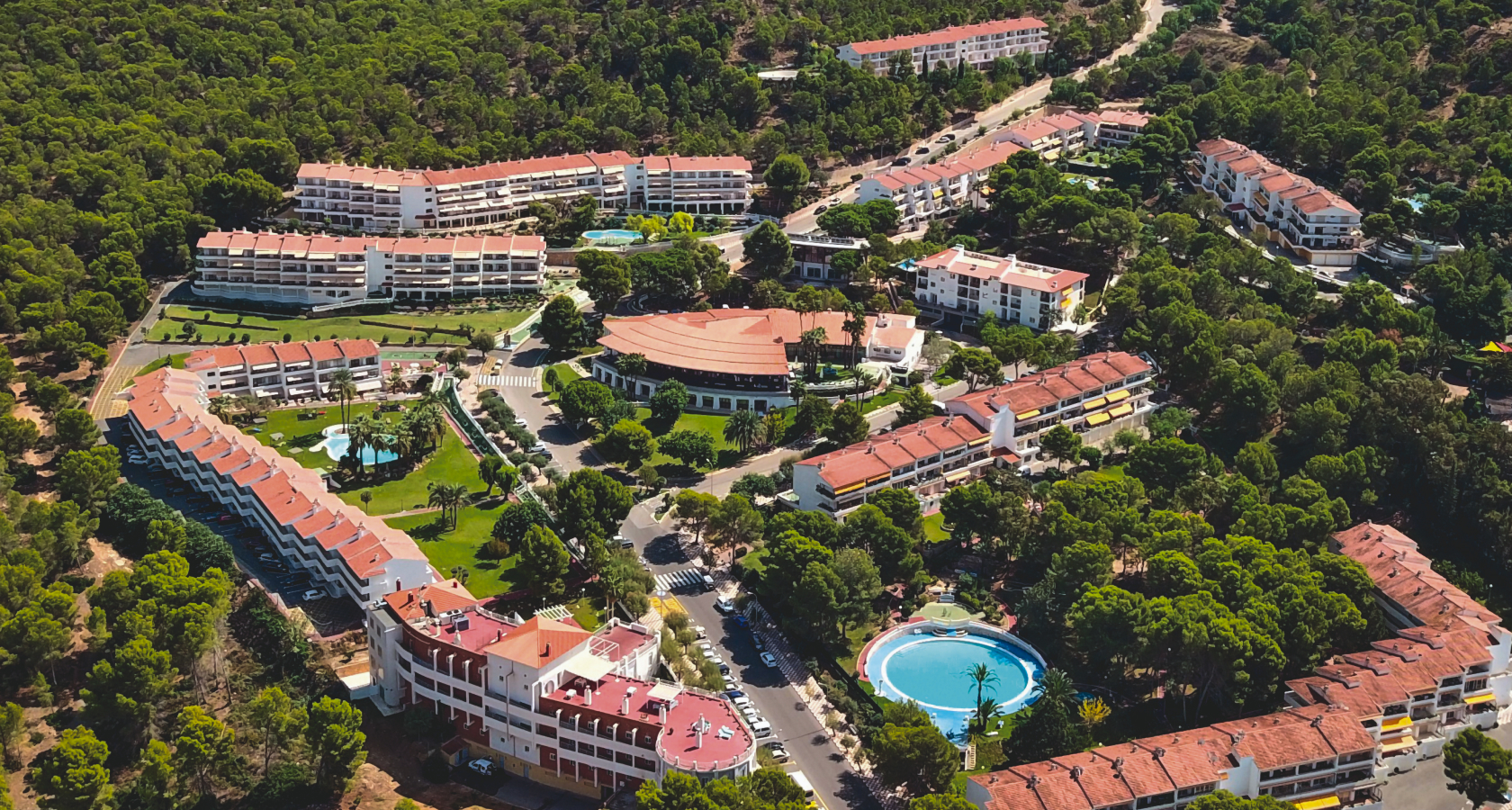
It is the core of community life at Ciudad Patricia. The reception area, restaurant, beauty centre, and some of our main services are located here.
Iris Building
Iris, completed in 2018, offers 15 apartments built to luxury quality standards. It is located just 50 metres from the Central Building.
Gardenia Building
Gardenia is located right across from the Central Building, allowing you to enjoy all the facilities that are just a stone’s throw away from your apartment.
Hortensia Building
At Hortensia, you can enjoy two worlds: the vibrant bustle of the city and the peaceful and relaxing atmosphere of the adjacent pine forest.
Flora Building
Flora, our tallest building, boasts stunning panoramic views of the valley, the mountains, and the resort.
Elisa Building
Elisa is located in a tranquil setting near the Central Building, indoor pool, fully equipped gym, and hobby room.
Heated Swimming Pool
We have an indoor swimming pool that you can enjoy all year round, whether you would like to exercise or have a moment of relaxation.
Swimming pools
We have several swimming pools at the resort where you can swim, cool off, or simply relax and enjoy the healthy climate of the Costa Blanca.
Swimming Pools
We have several swimming pools at the resort where you can swim, cool off, or simply relax and enjoy the healthy climate of the Costa Blanca.
Restaurant
Discover the delicious and healthy menu at the resort’s restaurant, and have an unforgettable time at its bar, in the dining area, or at its outdoor terrace.
Indoor Pool
We have several swimming pools in the complex, where you can swim, cool off, or simply relax and enjoy the healthy climate of the Costa Blanca.
Reception
In the Central Building, our staff are available to assist and help you with whatever you may need.
 Go back
How to Build a New Social Circle in Spain When Your Life Has Changed

When the Spain You Know Stops Matching the Spain You First Imagined
There is a moment that arrives quietly for many long term expats. It might be a Saturday morning that feels a little too still. It might be realising you have not seen certain friends in months. Or simply noticing that the social life you had when you first moved to Spain feels more like a memory than a routine. Nothing dramatic happened. Life shifted, slowly and almost politely.
If you recognise that feeling, you are not alone. Expats often describe the same quiet transition. Friends relocate. People age at different rhythms. Driving at night becomes less appealing, so less dinners. The routines that once held everything together just loosen over time. It is not failure. It is life.
And here is the part most people overlook. There comes a point when you realise that building a new social circle is not about replacing what you had. It is about creating a version that fits who you are now.
Why Social Circles Evolve More Dramatically for Expats
Back home, friendships often grow from deep roots. School, work, neighbours, sports clubs. In Spain, expat friendships are more fluid. People come and go. Some return to their home countries. Others downsize or move inland. Health, family commitments, and lifestyle preferences all shift.
Many expats tell us that keeping a social group together over ten or fifteen years is surprisingly difficult. Not because the friendships were weak, but because life abroad involves more movement and more change.
Add to this the simple reality that as we reach our sixties and seventies, routines become more selective. We value quiet mornings, earlier evenings, meaningful conversations, not crowded calendars. When your life changes, your social world changes with it.
The Hidden Emotional Weight of Losing Familiar Routines
One of the most common experiences, although rarely spoken aloud, is the way silence in a large home begins to feel different. Years ago it felt spacious and freeing. Now it can feel disconnected.
Residents who eventually moved to Ciudad Patricia often describe moments like these:
- A weekly coffee catch up that just stopped happening
- Friends who moved away and were not replaced
- Driving to meet people feeling like a chore, not a pleasure
- Realising they had not shared a meal with someone in days
- Feeling more responsible for the home than connected to it
These are subtle shifts. They do not arrive suddenly. But over time they change how life feels day to day.
Questions That Help You Understand What You Want Now
This stage of life is not about starting again. It is about choosing differently. A few quiet questions can help you understand what kind of social life suits you now.
- Do you want regular companionship or only occasional company?
- Are structured activities appealing, or do you prefer spontaneous interactions?
- Do you feel energised or drained by maintaining friendships across long distances?
- Which types of people do you naturally connect with at this stage?
- How much effort do you want friendship to require?
These questions are not about judgement. They help you recognise the kind of environment that supports the life you want today, not the life you wanted twenty years ago.
Practical Ways to Rebuild Community in Spain
Spain offers many ways to connect, but it helps to be intentional. Some find language exchanges helpful. Others join walking groups, pottery classes, photography clubs, or volunteering projects. Local markets, book groups, charity shops, and cultural associations all host people who are open to conversation.
The challenge, as many expats admit, is that maintaining momentum requires sustained effort. You can join a class, but if it is far away or only once a month, the connection rarely deepens. Meaningful friendships come from regular, easy contact, not occasional appointments.
And this is where environment becomes surprisingly important.
Why Environment Shapes Connection More Than People Realise
Social wellbeing research, including studies from the Copenhagen Centre for Healthy Aging, highlights something simple but powerful. People thrive when they live close to others who are open to interaction, and when their surroundings naturally encourage repeated, casual encounters.
That might be a shared path, a garden you walk through daily, or a café where you see familiar faces without planning anything. When connection happens incidentally, friendships grow without strain.
This is often what expats miss when living in large, independent homes. You must plan every social interaction, drive to every meeting, coordinate schedules. It turns friendship into a task, not a natural flow.
What People Discover When They Move Into a More Connected Community
Many residents at Ciudad Patricia say the same thing after a few months. They did not expect their social life to feel lighter. They thought they were simply downsizing or simplifying. Instead, they found that the shared spaces made connection effortless.
Passing someone on the path to the gardens. Saying hello in the café, where the atmosphere is relaxed and welcoming. Joining a yoga session or a film showing because it is only a short walk from home. Finding a table in the restaurant when you feel like conversation, or your own terrace when you do not.
None of this is forced. The community at Ciudad Patricia is built around independence, not obligation. You choose how involved you want to be. Yet the environment quietly supports you.
Why a Community Setting Can Make Social Life Feel Natural Again
It surprises many expats how much easier friendship becomes when the environment does some of the work.
You no longer rely on long drives to meet people. You no longer need to plan weeks ahead. You do not have to initiate every contact. Instead, you enjoy the small, sustaining moments where social life grows: a shared smile, a short conversation by the pool, a familiar hello at the café.
Shared surroundings create connection without pressure. And because the residents come from across Europe, the atmosphere feels open and welcoming.
You keep your independence. You gain community simply by being there.
Building a New Circle Without Losing Your Independence
This fear comes up often. People worry that living in a community means losing autonomy. What they discover is very different. Independence strengthens when you no longer rely on a car to reach people or when you live somewhere where activities and companionship are available but optional.
You choose your rhythm. You decide when you want quiet and when you want company. You maintain your routines, your privacy, your space. What changes is the ease with which you can enjoy human connection.
And that ease is what people begin to value most.
If You Want to See How This Feels, Come for a Visit
If you are starting to rethink how you want to live the next years in Spain, you are not alone. Many long term expats eventually reach the same moment. Community does not replace independence. It supports it.
You are welcome to experience the environment yourself. Sit in the café, walk the gardens, or join a short tour. You can arrange a visit or virtual meeting through the contact page at https://www.ciudadpatricia.com/en/contact/.
Sometimes you know within minutes whether a place feels right.
FAQs
Why do expat social circles change over time?
Because expat life involves more movement, evolving routines, and shifting energy levels. Even strong friendships naturally drift when lifestyles change.
How can I make friends in Spain without feeling like I am starting from zero?
Look for environments where casual interaction happens naturally. Regular, light contact builds friendships more easily than occasional planned events.
What if I am introverted or prefer quiet routines?
Community settings still allow complete privacy. The benefit is that social contact is available when you want it, not forced when you do not.
How do community environments support independence?
By removing barriers to socialising, reducing reliance on driving, and offering optional activities that you can join on your terms.
Can I visit Ciudad Patricia even if I am just exploring options?
Yes. A visit is the best way to understand how the community feels day to day.
